

The Role of the Spine in Overall Health 🧠✨
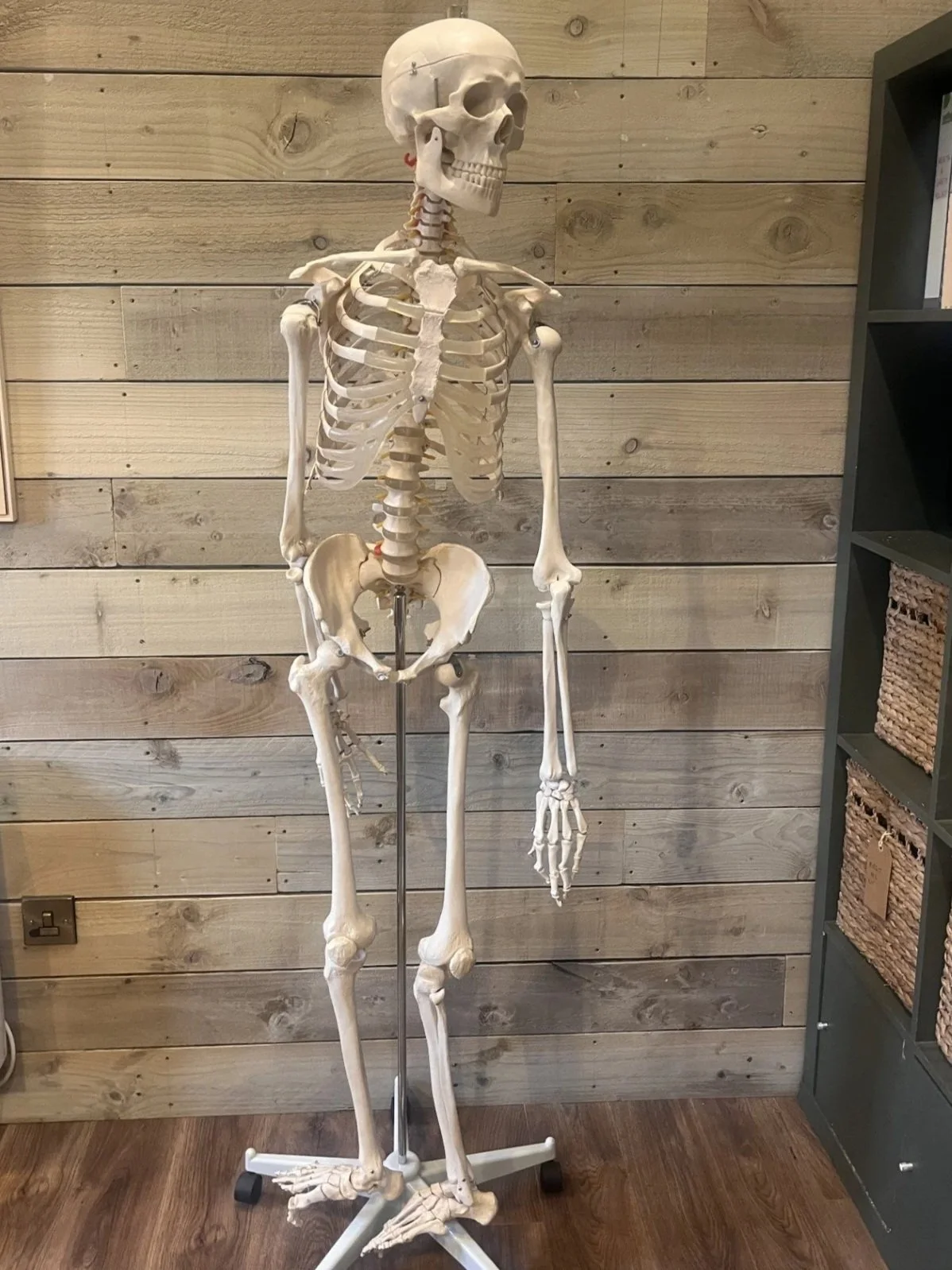
When we think about health, we often focus on things like diet, exercise, and sleep. But there’s one part of the body that quietly supports everything you do — your spine.
Your spine isn’t just there to help you stand upright. It plays a vital role in how your body moves, functions, and adapts to daily life. Let’s explore why spinal health matters so much — and how looking after it can support your overall wellbeing. 🌿
More Than Just a Backbone 💪
Your spine is made up of 24 moving vertebrae, plus the sacrum and tailbone. Together, they:
✔ Support your body weight
✔ Protect your spinal cord
✔ Allow movement and flexibility
✔ Act as the main communication pathway between your brain and body
That’s a big job — and when the spine isn’t working as it should, other areas of health can be affected too.
The Spine and the Nervous System 🧠
Running through your spine is the spinal cord — a vital part of your nervous system. This system controls:
Movement 🚶
Sensation ✋
Balance ⚖️
Organ function ❤️
Stress response 😌
When spinal joints become stiff or restricted, it can create tension and irritation in surrounding tissues. While this doesn’t always cause immediate pain, it can affect how efficiently the nervous system communicates with the rest of the body.
How Spinal Health Affects Everyday Life 🌱
👉 Movement and flexibility
A healthy spine allows you to bend, twist and move comfortably. When mobility is reduced, the body often compensates — leading to stiffness, fatigue or discomfort elsewhere.
👉 Posture and balance
Poor posture places extra strain on muscles and joints. Over time, this can contribute to aches, tension, and reduced confidence in movement.
👉 Energy levels
When your body is constantly compensating for stiffness or imbalance, it uses more energy. Many people don’t realise how much tension they’re carrying until it’s reduced.
👉 Stress and wellbeing
Spinal tension and stress often go hand-in-hand. When the nervous system is under pressure, the body can stay stuck in “fight or flight” mode, making it harder to fully relax.
Everyday Habits That Affect Your Spine 🔄
Modern life isn’t always kind to our spines. Common contributors include:
Prolonged sitting 💻
Looking down at phones 📱
Poor workstation setup
Lack of regular movement
Physical or emotional stress
Over time, these small stresses add up — even if pain isn’t immediately noticeable.
Supporting Spinal Health Naturally 🌿
Looking after your spine doesn’t require anything extreme. Small, consistent habits make a big difference:
🌱 Move regularly
Gentle, frequent movement keeps joints healthy and muscles relaxed.
🌱 Be posture-aware
You don’t need “perfect posture” — just variety. Changing positions often is key.
🌱 Manage stress
Breathing exercises, walks, and rest all help calm the nervous system.
🌱 Consider chiropractic care
Chiropractic focuses on improving spinal movement and supporting nervous system function, helping the body work more efficiently as a whole.
Why Chiropractic Looks Beyond Pain 🌼
Many people first see a chiropractor because something hurts — but chiropractic care isn’t only about pain relief.
By improving spinal movement and reducing tension, chiropractic care supports:
✔ Better movement
✔ Improved comfort
✔ Nervous system balance
✔ Long-term spinal health
It’s about helping your body function at its best — not just fixing problems when they arise.
Final Thoughts 💛
Your spine plays a central role in your health, movement, and wellbeing — often without you even realising it.
By caring for your spine through movement, awareness and supportive care, you’re investing in your body’s ability to adapt, heal and thrive.
After all, when your spine moves well, life tends to feel easier 🙌 -
Because your spine matters — The Chiropractic Hub 🧠💆♂️